With me, you can feel comfortable your feline friend is in experienced and caring hands. Contact me today and arrange for me to meet and become acquainted with your fur children!
As an experienced cat guardian, I place a high priority on quality food and fresh water. Cats are obligate carnivores. Their bodies depend on nutrients supplied naturally by animal tissue, including taurine, preformed vitamin A and arachidonic acid.
That biology should be the starting point when choosing food. I look for identifiable animal protein, appropriate moisture and complete nutrition for the cat's stage of life. I do not believe grain heavy formulations reflect the natural nutritional needs of a feline, particularly when corn meal or another grain appears before the primary animal protein.
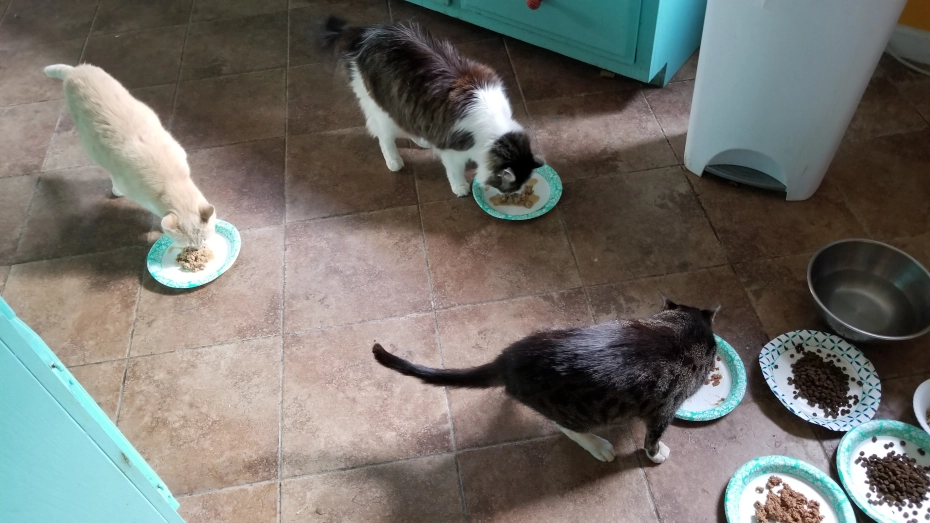
I personally do not recommend feeding any type of dry food or kibble to cats. In my experience, dry food provides too little moisture and often relies too heavily on carbohydrates for an obligate carnivore. I prefer raw or moisture rich food based primarily on animal ingredients.
Labels deserve careful reading. Attractive packaging, the word “natural” and a professional recommendation do not eliminate the need to examine what the food contains and why each ingredient is there.
My Experience With Raw Feeding
In my personal experience, a carefully selected raw diet can work very well for cats. I have observed enthusiasm for meals, good digestion, smaller and less odorous stools, healthy coats and better moisture intake. These are my firsthand observations from caring for cats, and I believe they deserve to be stated honestly.
Feral cats consume raw prey. They do not encounter sterile food in nature, so the mere statement that raw food may contain bacteria does not settle the nutritional question. The meaningful considerations are ingredient quality, freshness, sourcing, storage, careful preparation and whether the diet supplies complete nutrition.
A raw diet should not consist of muscle meat alone. Cats need the correct proportions of animal protein, fat, organs, minerals, vitamins and other essential nutrients. Anyone preparing food at home should research formulation thoroughly rather than improvising. Cooked bones should never be fed because they can splinter.
Moisture and Gradual Changes
Clean, fresh water should always be available. Food also contributes to hydration. Raw and wet foods generally contain considerably more moisture than dry kibble, which is one reason I consider moisture when evaluating a feline diet.
Introduce dietary changes gradually and observe the individual cat. Appetite, digestion, stool, coat, weight, energy, drinking and urination all provide useful information. Sudden or persistent changes in eating, drinking, mobility or behaviour require prompt investigation rather than assumption.
Cat Diet Questions
What should I look for in a cat food?
Look for food centred on identifiable animal protein, appropriate moisture and complete nutrition for the cat's stage of life. Read the ingredient list and nutritional statement rather than relying only on marketing claims.
Do cats need grains in their diet?
Cats have no biological requirement for grain itself. I prefer food centred on animal ingredients and question grain heavy recipes, particularly when corn meal or another grain appears before the primary animal protein.
Do I recommend dry food or kibble for cats?
I personally do not recommend feeding any type of dry food or kibble to cats. In my experience, dry food provides too little moisture and often relies too heavily on carbohydrates for an obligate carnivore. I prefer raw or moisture rich food based primarily on animal ingredients.
Can a raw diet work for cats?
In my personal experience, a carefully selected raw diet can work very well for cats. It must provide complete nutrition, use quality ingredients and be sourced, stored and prepared carefully.
How should I evaluate feline nutrition advice?
Read labels, ask for the reasoning and evidence behind a recommendation, compare reliable sources and observe how your cat responds. Professional credentials should not replace a cat guardian's careful research and judgement.
A Personal Note
This article expresses my personal experience, research and conclusions as a longtime cat guardian. It is intended to encourage careful thought, informed questions and close attention to each cat's individual response. Every guardian must research feeding choices thoroughly and decide what is appropriate for his or her cat.