



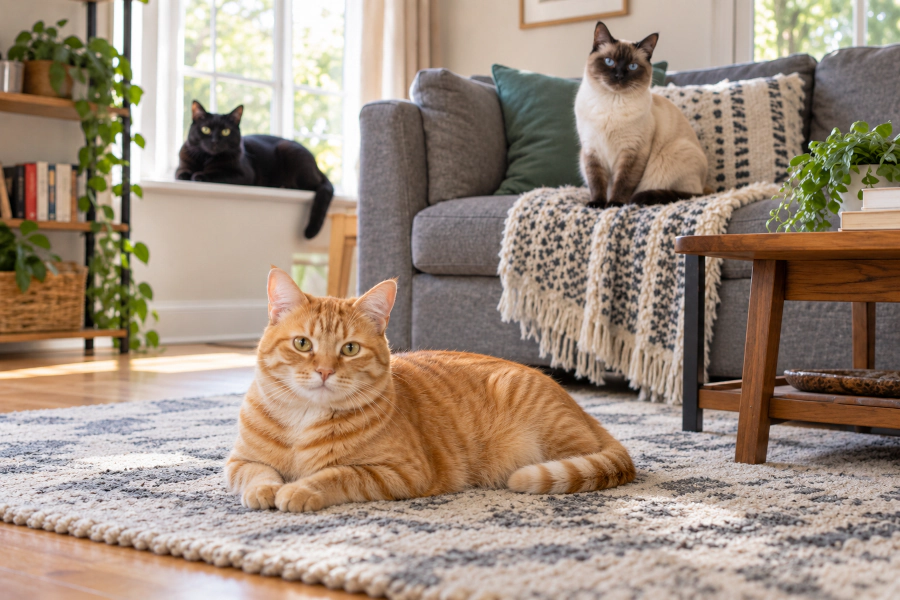
A little preparation helps your cat sitter maintain familiar routines, respond appropriately to unexpected situations and give each cat the individual attention he or she deserves.
Inviting someone into your home to care for your cats requires trust. It also requires clear information. Even an experienced cat sitter cannot know every detail of your cats' routines, personalities and preferences without your help.
Preparing written instructions and organising supplies before you leave allows the sitter to spend more time caring for your cats and less time searching for food, medication or household essentials. The following steps will help make each visit comfortable for your cats and straightforward for the person caring for them.
Arrange an Introductory Meeting
Arrange for the cat sitter to meet you and your cats before the first scheduled visit. This meeting gives your cats an opportunity to become familiar with the sitter's voice, scent and presence while you are still at home.
Walk through the normal care routine together. Show the sitter where food, litter, toys, carriers and cleaning supplies are kept. Demonstrate any special doors, gates, locks or alarm procedures. This is also the appropriate time to discuss each cat's temperament, preferred form of attention and reaction to unfamiliar people.
Provide Clear Feeding Instructions
Write down what each cat eats, how much should be served and when meals are normally provided. If you have several cats, identify each bowl and explain whether they eat together or need to be separated.
Place food, measuring utensils and treats where they are easy to find. Explain whether opened food needs refrigeration and how uneaten portions should be stored or discarded. If certain foods or treats must not be given to a cat, include that information prominently.
Explain Each Cat's Daily Routine
Cats are often most comfortable when their usual routine continues. Note normal meal times, litter box habits, play preferences and sleeping locations. Explain which doors should remain open or closed and whether any rooms are off limits.
Describe what is normal for each cat. A sitter should know if a cat routinely hides during the first part of a visit, prefers to be approached slowly or normally leaves part of a meal unfinished. These details help the sitter distinguish familiar behaviour from a meaningful change.
Identify Medications and Special Care Requirements
Keep medications in their original labelled containers and provide written directions. State the correct amount, the time it should be given and the method your cat accepts most comfortably. Do not rely solely on verbal instructions.
Explain any mobility limitations, sensitivities or handling preferences. If a cat has a known health condition, describe the signs you personally want the sitter to watch for and what action should be taken if those signs appear.
Leave Emergency Contact Information
Provide your telephone number and the best way to reach you while you are away. Include the name and telephone number of a trusted person nearby who is authorised to help if you cannot be contacted.
Leave contact information for your preferred veterinary hospital and a nearby emergency clinic. Written instructions should explain whom the sitter should contact first, how transportation should be handled and what authority the sitter or your backup contact has to approve emergency care.
Explain How to Enter and Secure Your Home
Test keys, keypad codes and gate controls before leaving. Demonstrate the alarm system if one is used and provide a telephone number for the alarm company. Tell the sitter about any door that sticks, lock that requires a particular technique or gate that must be checked carefully.
Confirm how the home should be secured at the end of every visit. If other people such as cleaners, gardeners or family members may enter the property, provide their names and expected schedules.
Make Cat Care Supplies Easy to Find
Group frequently used supplies in a convenient location whenever possible. These may include:
- Food, treats and measuring utensils
- Medication and written directions
- Litter, scoop and disposal bags
- Paper towels and cat safe cleaning products
- Toys, grooming supplies and bedding
- Cat carriers and emergency equipment
Leave more food, litter and medication than should normally be required. Travel delays and changing plans are easier to manage when sufficient supplies remain available.
Describe Behaviour and Hiding Places
Tell the sitter how each cat normally reacts to visitors. Identify favourite resting areas and hiding places so the sitter can confirm that a shy cat is safely inside without forcing an unwanted interaction.
Explain known escape attempts, door rushing or defensive behaviour. If a cat should not be approached in a particular location or handled in a certain way, make that clear. Honest information protects both the cat and the sitter.
Prepare a Written Cat Sitting Checklist
Keep the final checklist concise enough to use during every visit. Include a separate section for each cat and place the most important safety information near the top.
- Cat names, photographs and identifying details
- Feeding quantities and schedules
- Medication instructions
- Play and litter routines
- Normal behaviour and hiding places
- Your contact information
- Backup and emergency contacts
- Home access and security instructions
Review the checklist whenever your cats' food, medication, routine or emergency contacts change. Leave a printed copy in an agreed location and send the sitter a digital copy as a backup.
Frequently Asked Questions About Preparing for a Cat Sitter
What information should I leave for a cat sitter?
Leave feeding instructions, daily routines, medication directions, emergency contacts, access details and information about each cat's behaviour and usual hiding places.
Should a cat sitter meet my cats before the first visit?
Yes. An introductory meeting allows the sitter to learn your cats' routines, locate supplies, review home access and ask questions before you leave.
How should I prepare a shy cat for a cat sitter?
Tell the sitter where your cat normally hides, avoid forcing an interaction and keep food, water and litter in familiar locations. The sitter can then confirm the cat is safe while allowing the cat to approach at his or her own pace.
What emergency information does a cat sitter need?
Provide your contact details, a nearby backup contact, your preferred veterinary hospital, an emergency clinic and written authorisation describing what the sitter should do if you cannot be reached.
Prepare Now for Greater Peace of Mind
Good preparation helps your cats remain comfortable in their own home while you are away. It also enables your sitter to provide consistent care, notice meaningful changes and respond efficiently when something unexpected occurs.
If you need reliable cat visits in Huntington Beach, review my pricing and rates or contact Doug's Pets to arrange an introductory meeting.
